When you use a square notched trowel with the same size notch and teeth i e.
Thinset thickness for wall tile.
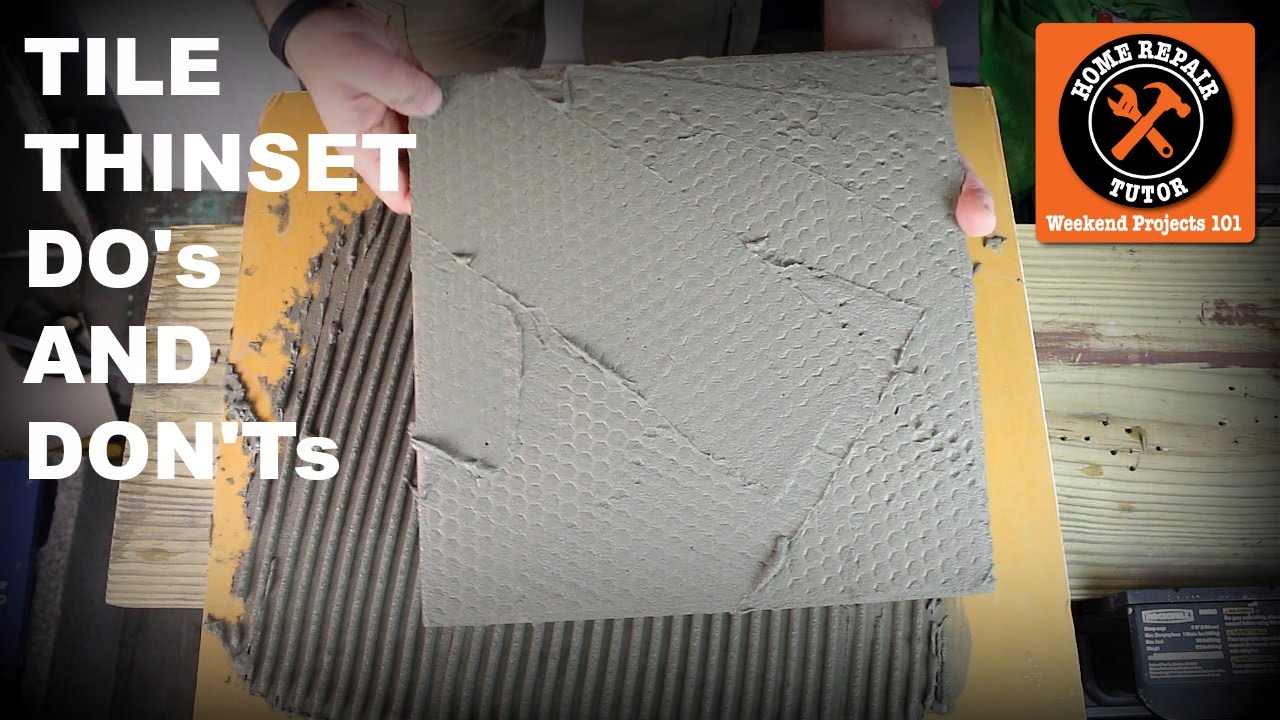
Tile set by the thinset method is adhered to the substrate with a thin layer of thinset cement.
Continue spreading the mortar and 1 apply mortar to a shower wall.
2 spread thinset for ceramic tile.
The trowel size determines how much thinset to put on the substrate as well as how thick the bed of thinset should be under the tile.
Swipe the trowel in an arc pattern for maximum adhesion.
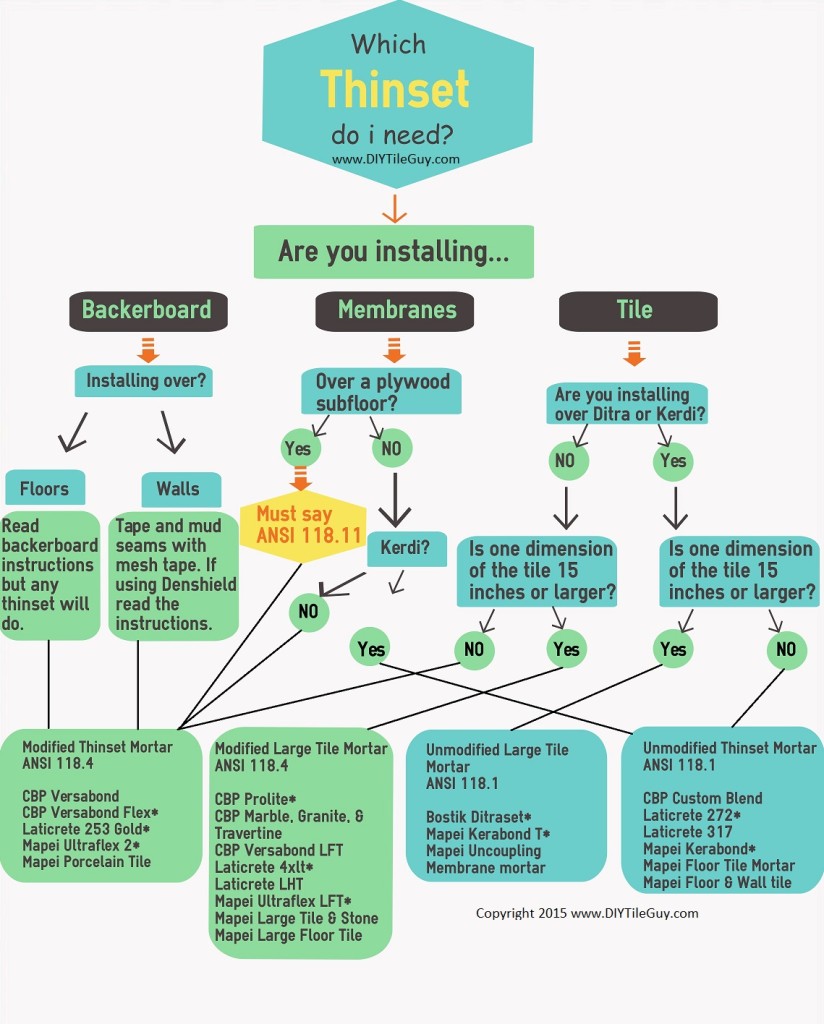
Unmodified thinset is composed of portland cement sand and water retention agents.
At this point the thickness of the thinset on the wall must be thicker than the tiles.
The terms thinset cement thinset mortar dryset mortar and drybond mortar are synonymous.
Thinset mortar is your default tile mortar for most indoor and outdoor applications.
3 choose a tile trowel.
A 1 2 x 1 2 the bed of thinset will be half of that measurement or 1 4 beneath a flat tile over a flat substrate.
Additionally thinset comes in either unmodified or modified versions.
If you attempt to set wall tiles using thinset without spacers you ll end up with a bunch of tiles that have slid into each other before the thinset has had time to set resulting in a giant mess.
Thinset tile mortar.
Jun 11 2011 the thinset thickness is determined by the size of the trowel used and the size of the trowel is determined by how the back of the tile is constructed and the size of the tile.
Thinset tile mortar has a smooth slippery consistency similar to mud.
It is applied to the substrate with a notched trowel.
This type of cement is designed to adhere well in a thin layer typically not greater than 3 16th thick.
7 rake the notched trowel through the thinset to create the furrows that enable a strong bond with the tile.
At this point the thickness of the thinset on the wall must be thicker than the tiles.
Thinset is a mortar that is made of portland cement silica sand and moisture retaining agents.
The tile will pick up any excess beyond the thickness of the tile.