Granite is a naturally occurring earth mineral present in large deposits across some north america areas including the western u s.
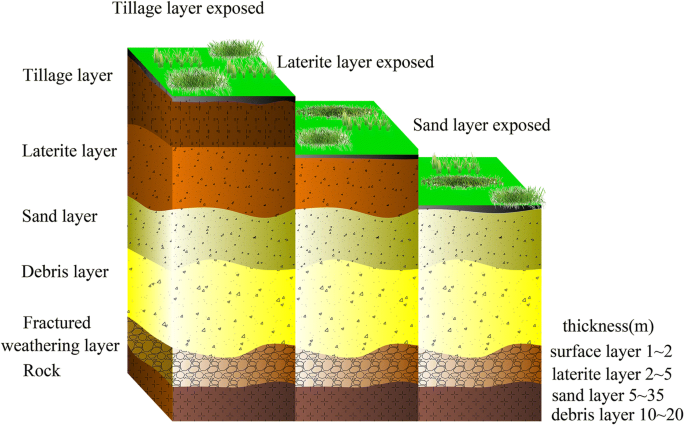
Thickness soil granite.
For example granite parent rock will produce soil with high aluminum and sodium content while limestone parent rock will produce calcium rich soil.
Decomposed granite and plants.
Nearly all stones are found in this size and the slabs can be as large as 105 by 54 inches.
The most commonly found granite countertop thickness is 3 cm or 1 1 4 inches.
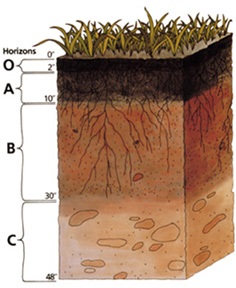
R bedrock a mass of rock such as granite basalt quartzite limestone or sandstone that forms the parent material for some soils if the bedrock is close enough to the surface to weather.
This allows the homeowner to choose a slab that permits long runs of cabinetry and features fewer seams or creates a single slab that covers the entire kitchen.
Ultimately they will be stronger and more refined.
Strictly speaking granite is an.
Parent rock affects not only the chemical makeup of soil but its ph as well making the soil acidic neutral or basic.
This is not soil and is located under the c horizon.
To the home gardener soils.
Granites can be predominantly white pink or gray in color depending on their mineralogy the word granite comes from the latin granum a grain in reference to the coarse grained structure of such a completely crystalline rock.
Their 33 extra thickness means you do not need plywood under your granite countertops or extra lamination.
Soil characteristics are determined by the parent rock s chemical makeup.
6 cm thick granite countertops.
Granite ˈ ɡ r æ n ɪ t is a common type of felsic intrusive igneous rock that is granular and phaneritic in texture.
C parent material the deposit at earth s surface from which the soil developed.
For a truly eye popping countertop many homeowners stack two slabs of 3 cm granite to create the mastadon.