Thickening Of The Womb Lining After Menopause No Bleeding
Endometrial Hyperplasia Causes Symptoms Treatment
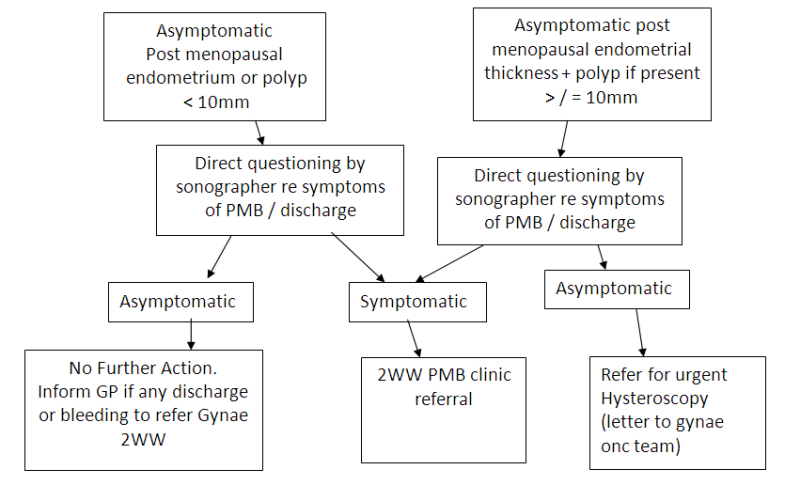
Endometrial Thickening

Pin On Urology Pelvic Floor Health

Pin On Cancer

Correlation Of Endometrial Thickness And Histopathology In Women With Abnormal Uterine Bleeding Uterus Anatomy Medical Art

Endometrial Carcinoma Sagittal Transvaginal View Of The Uterus In A Postmenopausal Woman Demons Ultrasound Diagnostic Medical Sonography Endometrial Carcinoma

As a result the endometrium gets thicker and can bleed.
Thickening of the womb lining after menopause no bleeding.

Pin On Infertility Doctor In Nashik

Adenomyosis Enlarged Uterus Causes Natural Relief Dr Axe Adenomyosis Treatment Endometriosis Symptoms Uterus

Thin Uterine Lining Causes And Treatments Ivf1
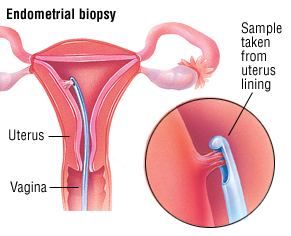
Dysfunctional Uterine Bleeding Harvard Health
Source : pinterest.com
