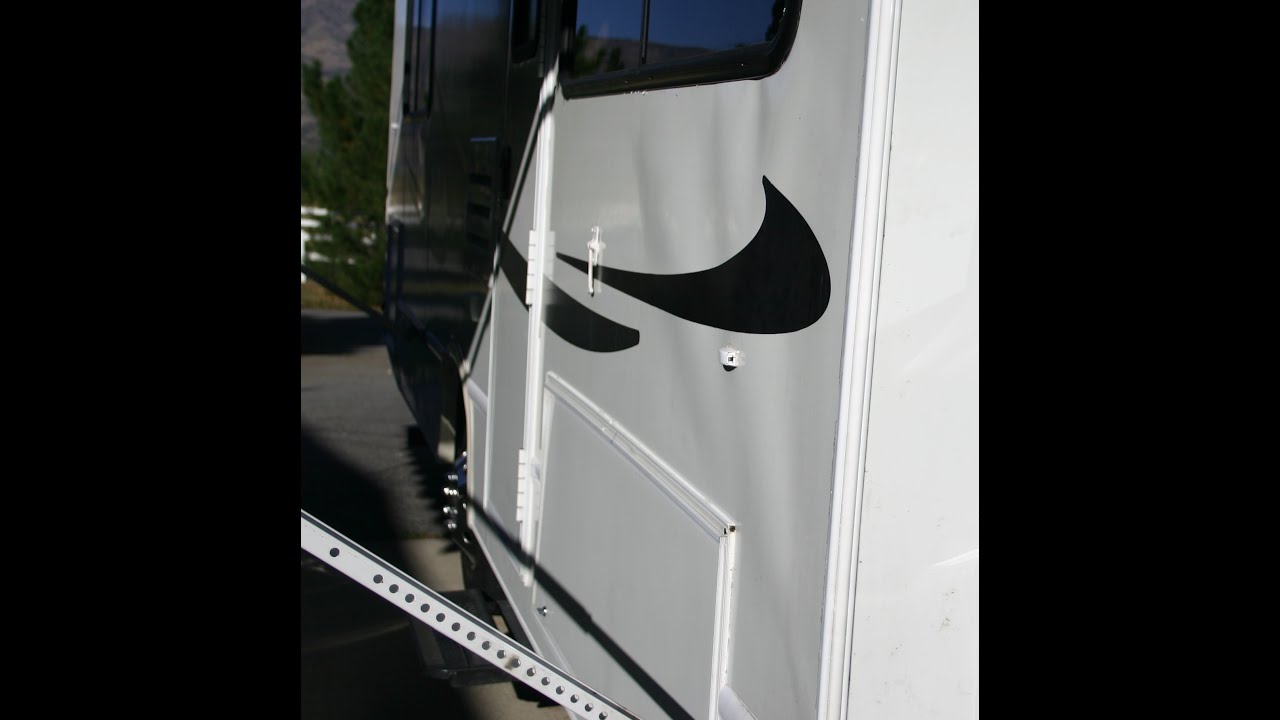
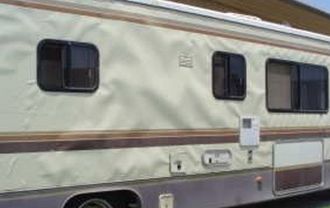
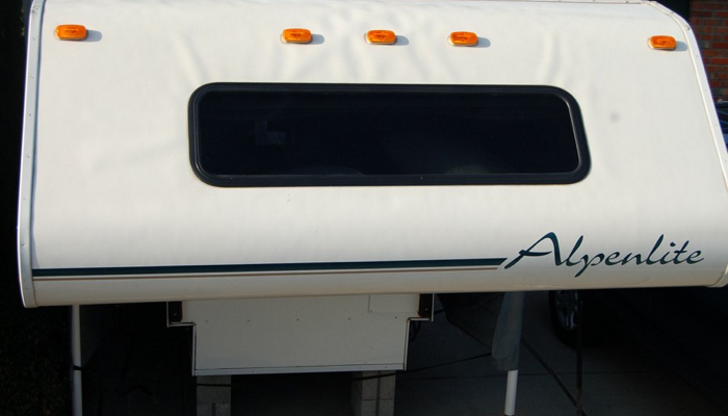
The traditional repair assumes the bubble is delamination within the fiberglass.
Rv fiberglass siding bubbles.
If it is a fiberglass layer separating from a foam or plywood core it s going to be harder to repair.
You can tell the difference between intrusion and de lamination by pushing hard on the bulge with the palm of your hand.
Several spots around our rv have bulges caused by intrusion.
Bubbles in the fiberglass on my.
A bubble forms over the unglued pocket which will grow in size over time as the fiberglass walled rv flexes with normal use.
Fiberglass siding pulling from unit.
Place a thin piece of protective plywood temporarily on the outside wall between the clamps and the sidewall.
The bubble will gradually crack and trap moisture inside causing further damage.
You must make sure of the structural integrity of the foam or plywood before building fiberglass back up on top of it.
Apply the appropriate type of glue and clamp the block in place through the window to flatten the exterior bubble against it.
Winnebago industries owner s forum.
Once you start getting bubbles in your fiberglass you need to work carefully and sand down the bubble till you get to solid fiberglass.
If that does not work then you will have to get access to the bubble through a window or removing the siding and then gluing.
Next you have to use fiberglass cloth and resin putty gel coat or epoxy until you get the spot back to level.
For flatness and stability araucoply panels are laid up on composed cores.
Rv fiberglass siding bubbles the repair of this problem may take a little skill.
This will require some large c clamps.
A pole clamp and some ply wood up against another structure should work.
So i might try to clamp the area first to see if the glue behind there will bond.
Aluminum siding or fiberglass.
Btw intrusion is when under laying frame of the rv bulges out and causes the fiberglass on the exterior of the rv to bulge.
Wood primed siding panel common.
X 8 ft araucoply panels are made from pruned plantation grown radiata araucoply panels are made from pruned plantation grown radiata pine logs for fewer knots and consistent appearance.