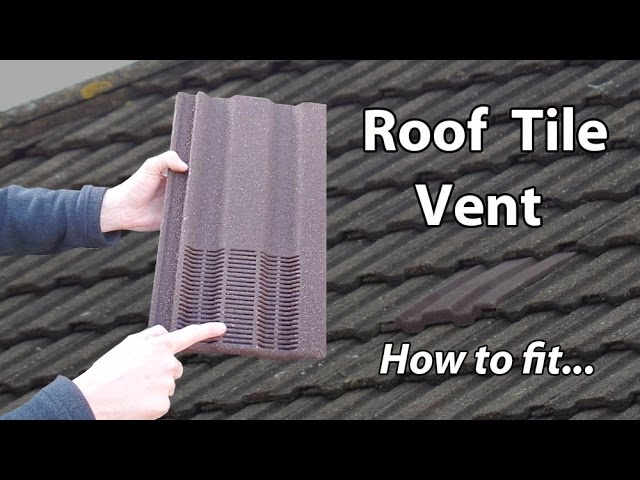
Because clearing vent pipe blockages can be a real pain in the you know what you can take some preventive steps.
Router out roof vent blocking.
Cut a square hole in the roof the same size as the hole in the base of the vent you re installing.
Locate the top of the hole about 15 in.
These vents allow water to run through your pipes correctly and empty into the sewer or septic tank.
Use a metal rod to dislodge any clogs such as leaves bird nests or other material.
Those vents prevent overheating the delicate circuitry inside.
Check your plumbing vent stack when you hear grumbling in your pipes or bubbling in the toilet.
Working up on the roof can be a dangerous task to say the least.
Create an unvented roof.
Your roof ventilation system should be inspected along with your roof at least every few years.
How to clear a plugged roof plumbing stack.
If you ve ever wondered why your house has those pipes sticking out through the roof they are there to help your plumbing work properly.
Move any rugs that are covering return vents in the floor.
Push couches chairs and cabinets out of the way so those vents are free to move the air through your home.
Below the peak of the roof.
Maintaining your roof ventilation system.
But sometimes ice leaves and limbs or other materials plug the plumbing vents.
You ll notice the enclosure has vents on the sides which allow hot air to flow out of the router and cool air to flow in.
If any of these issues are of concern there is another option.
Don t cut into any rafters.
In hurricane prone zones with frequent high wind events vented soffit collapse can pressurize a building which can cause windows to blow out and the roof to be blown off.
Unfortunately the best place to clear a blockage in a vent pipe is from the roof.
Inspect for weather damage such as cracks loose vents or broken or missing tiles around vents.
You may also use a plumber s snake if the clog is farther down inside the vent and cannot be reached with the metal rod.
Turn the water on before you bring the hose onto the roof.
Finally in wildfire zones floating embers can enter the vents and cause roof fires.
Look inside the vent opening and clear out any debris you find.
Remove the vent cover with the screwdriver and set it aside.
Leaves debris or small animals can get into vent stacks.
Shorten curtains that hang down and cover your vents.
These vents need at least 10 inches of clearance to work but more clearance is better.